GSM Data Receiver 5.2 Software
The GSM Data Receiver V5.2 is one of the most talked-about GSM signal tools online — but also one of the most misunderstood. While many people search for it out of curiosity, the device is primarily discussed in the context of cybersecurity research, network testing, academic study, and digital forensics.
This comprehensive guide explains what the GSM Data Receiver V5.2 is really used for, how it works, its specifications, legal considerations, and safer alternatives for security professionals.
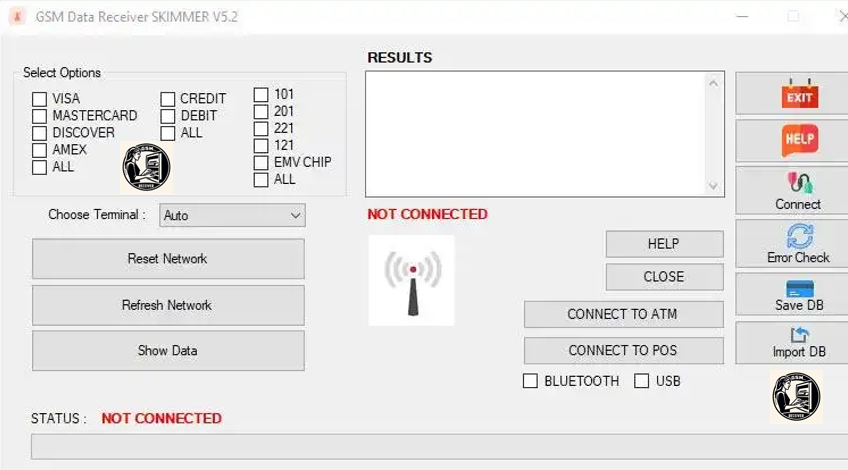
What Is a GSM Data Receiver V5.2?
A GSM Data Receiver is a hardware device designed to detect and analyze GSM-based signals broadcast by nearby devices or cellular infrastructure.
The V5.2 version refers to a firmware update and hardware revision marketed online in niche technical forums.
Important Clarification
While GSM receivers can detect RF signals, they cannot decrypt or access protected personal data without legal authorization. Modern GSM networks use encryption, making unauthorized interception both illegal and technically restricted.
How the GSM Data Receiver V5.2 Works
The device typically operates by:
- Scanning GSM frequency bands such as 850 MHz, 900 MHz, 1800 MHz, and 1900 MHz
- Detecting broadcast information like cell tower IDs, signal strength, and channel numbers
- Communicating with a connected device or software to display the captured signal metadata
Key Functions
- Reading open, unencrypted GSM broadcast data
- Analyzing signal strength patterns
- Logging GSM environment information for research or network diagnostics
- Testing GSM behavior in a lab or controlled cybersecurity environment
What it cannot do:
Decrypt protected communications, access personal data, or intercept private phone information.
GSM Data Receiver V5.2 Technical Specifications
Specifications vary by manufacturer, but most V5.2-style devices share similar attributes:
- Updated firmware for better stability
- Support for multiple GSM frequency bands
- USB or Bluetooth connection to a host device
- Signal detection range typically between 10–50 meters, depending on environment
- Basic onboard processing for RF signal filtering
Because this device is often a generic/unnamed tool, exact specs depend on the vendor, but most claim improved sensitivity and reduced false signal capture compared to older firmware versions.
Legitimate and Ethical Uses of GSM Receiver V5.2
GSM receivers have legal, ethical, and socially beneficial uses, including:
1. Cybersecurity Research
Researchers analyze GSM behavior to test:
- Signal jamming resilience
- Device authentication methods
- Encryption downgrade vulnerabilities
2. Network Testing & Optimization
Telecom technicians or RF engineers may use GSM analysis tools to:
- Map weak coverage zones
- Identify interference
- Validate tower signal output
3. Academic & Engineering Study
Universities use GSM receivers in:
- Wireless communication courses
- RF engineering labs
- Mobile network protocol teaching
4. Digital Forensics
Forensic experts may analyze GSM broadcast logs in legal investigations when properly authorized.
GSM Receiver V5.2 vs. Other Models
Compared to V4.0 or V5.0
- More stable firmware
- Slightly improved signal filtering
- Better compatibility with modern GSM modules
Compared to SDR (Software Defined Radio)
SDR devices (like RTL-SDR, HackRF, USRP) are:
- Far more versatile
- Fully configurable
- Widely used in legitimate research
- Supported by open-source GSM analysis tools
In most professional environments, SDR is preferred.
Common Misconceptions
❌ “It can read encrypted GSM data.”
False. Modern GSM encryption (A5/1 and above) cannot be bypassed with these tools.
❌ “It can clone or skim credit cards.”
Incorrect. GSM receivers do not interact with payment cards.
❌ “It allows listening to calls or reading SMS messages.”
Not possible legally or technically with public versions of these devices.
Pros and Cons
Pros
- Affordable for research environments
- Easy to set up
- Provides useful GSM signal metadata
- Helpful for RF testing
Cons
- Very limited abilities vs. SDR tools
- Not suitable for advanced telecom research
- Often mislabeled or misrepresented online
- Legal restrictions apply
Is the GSM Data Receiver V5.2 Legal?
In the United States
GSM receivers are legal to own, but how you use them matters.
You can legally:
- Analyze open, unencrypted broadcast signals
- Use the device in RF labs or controlled testing environments
- Study GSM behavior for research or engineering
You cannot legally:
- Intercept private phone data
- Access encrypted communications
- Capture personal information
- Use it outside authorized environments
Violations may result in:
- FCC penalties
- Federal charges
- Civil liability
Alternatives for Ethical GSM Analysis
If your goal is legitimate GSM research, these tools are safer and more powerful:
1. RTL-SDR
Cheap and widely supported. Ideal for beginners.
2. HackRF One
More advanced — supports TX/RX and a wider frequency range.
3. USRP (Universal Software Radio Peripheral)
Industry-standard SDR used in:
- Telecom labs
- Universities
- Cybersecurity organizations
4. Open-Source Tools
- OpenBTS
- Osmocom
- Airprobe
- srsRAN (4G/5G testing)
These tools offer professional-grade analysis without legal ambiguity.